


Okay here we go, sunscreens. You see them all over skincare; SPFs broad-spectrum, but what exactly are they and how do they protect your skin? How do sunscreens work? and what should you be looking for in your sunscreens? Let’s start with what are the differences between chemical and mineral sunscreens.
WHAT DOES SPF MEAN?
SPF is on every sunscreen bottle, but what does it actually mean? Well, SPF is the measure of time that sunscreen will protect you from UVB rays. UVB rays are the rays that give you a sunburn. These rays damage the outermost layer of the skin. The number that you see on the bottle is how much of the UVB rays that are being blocked. For example, SPF 15 means that it blocks about 93 percent of the UVB rays, SPF 30 blocks about 97 percent and SPF 50 blocks about 98 percent of the UVB rays. After SPF 50 the percentage of coverage does not really increase. The SPF rating does not protect against the UVA rays that penetrate more deeply into the skin. Although both the UVA and UVB rays cause skin damage; the UVA rays have been known to play a major part in skin aging and wrinkling.
WHAT IS BROAD-SPECTRUM?
Broad-spectrum sunscreens will protect you from UVA and UVB rays. So when you are looking for a sunscreen, you not only want to look for SPF but also that is broad-spectrum.

CHEMICAL SUNSCREENS
Chemical sunscreens are made with organic, carbon based compounds. These work by absorbing the UV rays into the skin and instead of burning the skin it turns the UV rays into heat and then releasing them from the skin. You need to be careful when using chemical sunscreens, because they raise the temperature in the skin, they can increase existing brown spots, discoloration and cell damage. Not all chemical sunscreens are broad-spectrum. Some protect only from UVB rays but do not provide protections from UVA rays. Some examples of these ingredients that you are going to find in these sunscreens are; avobenzone, oxybenzone, octinoxate, octisalate and homosalate.
MINERAL SUNSCREENS
These are made with inorganic mineral compounds. They physically scatter the ultraviolet radiation. They naturally provide broad-spectrum protection against UVA and UVB rays. However, they tend to leave a white residue when applied to the skin. Mineral sunscreen is usually recommended for people with sensitive or damaged skin. The ingredients that you will find in these sunscreens are zinc oxide and titanium dioxide.
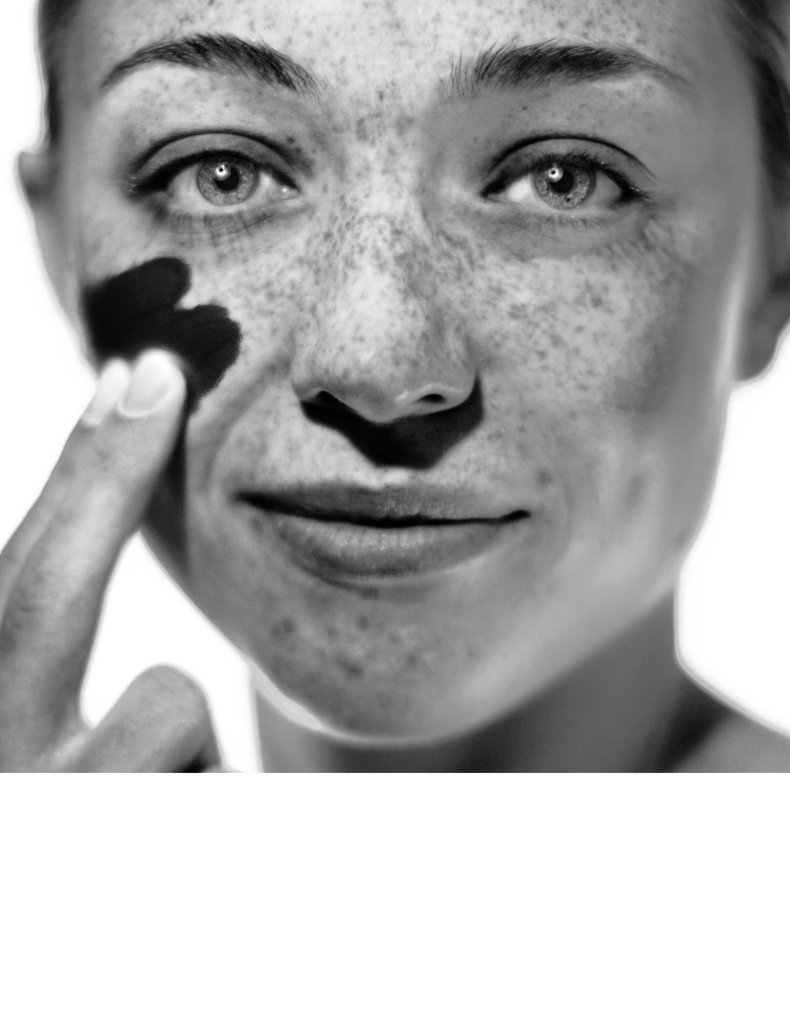
WHICH ONE IS RIGHT FOR YOU?
Sun protection is so important in your skincare routine. It is also vital to reapply the sunscreen at least every two hours throughout the day. It also is not recommended to just use products like moisturizers or makeups that have SPF in them. Even though these products are good for a little added protection, it’s always wise to use an actual sunscreen in your daily skincare routine.
As far as which one is best for you, in this case, more is better. It’s good to use an SPF 50 that is also broad-spectrum. Look for those two things on your bottle labels. Mineral sunscreens are are best for sensitive skin; however they can usually leave your skin looking ghostly white. Chemical sunscreens heat the skin and also do not usually provide broad-spectrum; however they do not leave a white residue on the skin. In my personal opinion, I prefer mineral sunscreen because of the coverage. I put the mineral sunscreen on and then a tinted moisturizer to cover over the white residue. This is a personal choice that each one needs to make, but the important factor is that you are wearing sunscreen everyday. Even if it is cloudy outside or if you work inside, you need to be wearing sunscreen.

 Glow by Jo Skin Studio